Introduction
World War II marked a significant turning point in history, not just due to its vast battles and political shifts, but also due to the essential role propaganda played in shaping public sentiment and behavior. Governments recognized the necessity of influencing citizens’ perceptions and bolstering morale during such tumultuous times. Propaganda emerged as a powerful mechanism, employing various techniques to communicate messages that would galvanize support for the war effort, encourage enlistment, and promote national pride. It was a captivating era in which imagery and slogans became vital elements in the collective consciousness of nations.
The visual language of WWII propaganda encompassed posters, films, and radio broadcasts, employing bold colors and striking designs that aimed to evoke emotional responses. This artistic endeavor was not merely a side note of the conflict; rather, it was a calculated approach to unify the public under a common cause, tapping into societal fears and aspirations. As a result, the impact of these designs extended far beyond their historical context, cementing their position in the annals of graphic design.
In contemporary society, the aesthetics and strategies developed during this period continue to resonate in modern design, as seen in various industries, including fashion, advertising, and digital media. Designers today often draw inspiration from the bold typography, powerful imagery, and compelling narratives of wartime propaganda, capitalizing on the timeless appeal of these elements to create persuasive visual communications. As we delve into the legacy of World War II propaganda, it becomes clear that its influence permeates the fabric of contemporary design, serving as a testament to the enduring power of visual storytelling in shaping culture and society.
Historical Context
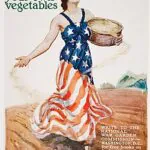
During World War II, propaganda emerged as a pivotal tool utilized by various nations to influence public perception, mobilize support, and galvanize wartime efforts. Each country adopted different propaganda techniques, adapting their messaging to align with national ideologies and cultural values. One of the most prevalent methods was through the use of posters, which visually conveyed powerful messages that could be easily disseminated. For instance, American posters often targeted enlistment, urging citizens to join the military or support war-related activities, while British posters emphasized resilience and unity in the face of adversity.
Films also played a significant role in wartime propaganda. Governments commissioned movies that extolled the virtues of their military efforts and aimed to garner morale among citizens. In the United States, films like “Why We Fight” were designed to inform soldiers about the reasons behind the conflict, while Soviet cinema showcased heroism and the struggle against fascism, reinforcing national pride. Radio broadcasts and news articles complemented these visual propaganda efforts, providing timely updates and narratives that portrayed the enemy in a negative light, while simultaneously enhancing the resolve of the home front. This multi-faceted approach allowed for a cohesive communication strategy that permeated everyday life.
The goals of propaganda varied significantly among nations. For example, Nazi Germany focused on creating a sense of national superiority and promoting their racial ideology, whereas the Allies aimed to foster a spirit of collaboration and resistance against tyranny. These differing objectives not only shaped their propaganda materials but also influenced societal attitudes and behaviors during the war. The impact of WWII propaganda continues to resonate today, offering insights into the power of messaging in shaping culture and public opinion, laying the groundwork for understanding its modern applications in design and communication.
OWMShop Connection
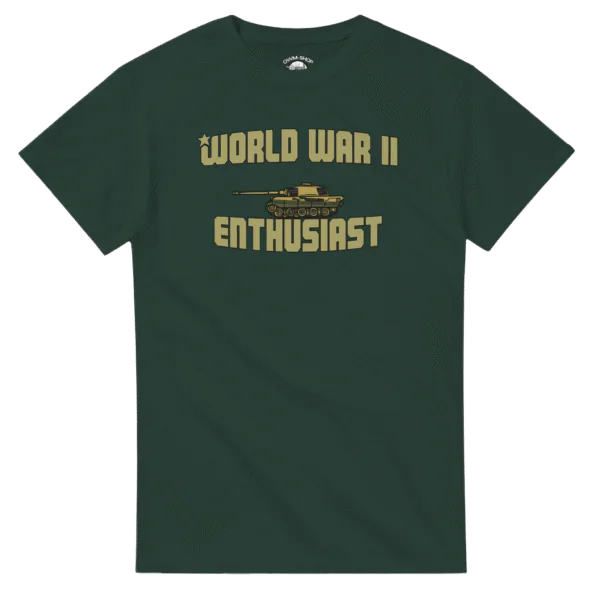
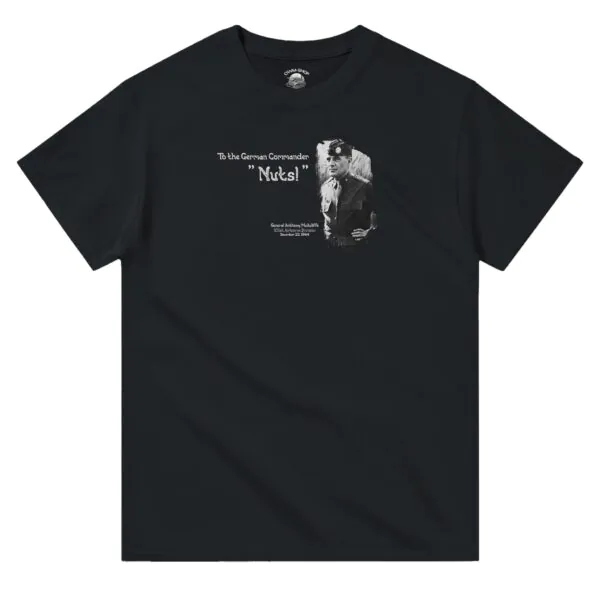
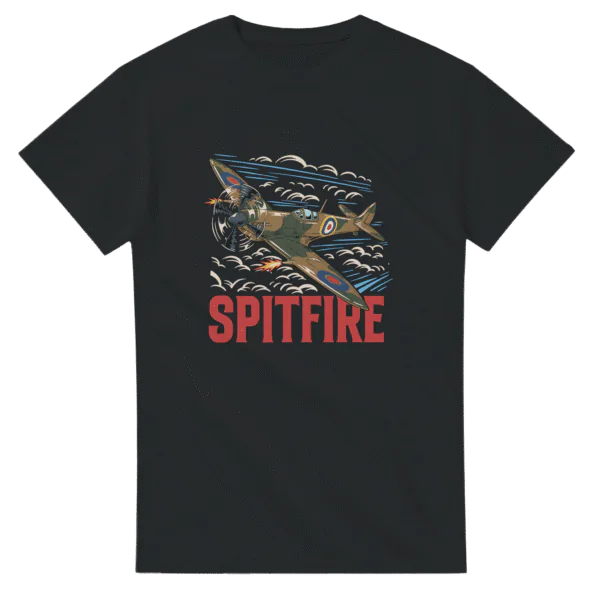
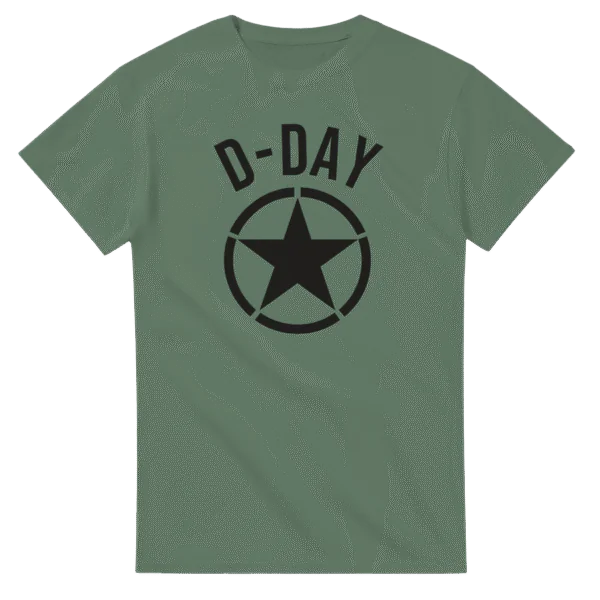
At OWMShop, the unique influence of World War II propaganda can be vividly seen throughout a diverse range of products. This notable connection manifests in various items that not only celebrate the historical significance of this era but also resonate with contemporary design principles. The designs found here are more than just aesthetically pleasing; they serve as a homage to the powerful messages conveyed during the war. As consumers increasingly seek meaning behind the products they purchase, OWMShop effectively taps into this narrative, offering items that evoke nostalgia and reflection.
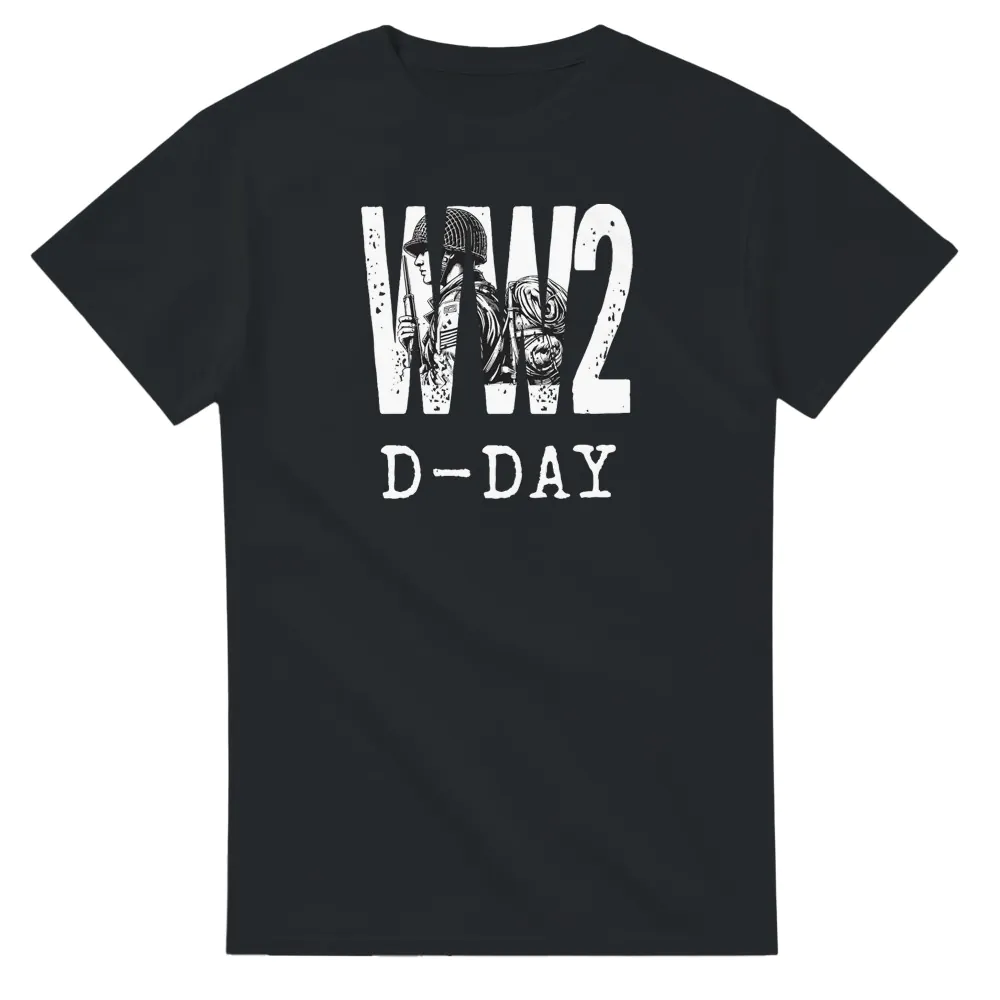
Among the standout offerings are clothing reproductions of famous World War II posters. These garments showcase iconic imagery that played a crucial role in shaping public sentiment during the war, often featuring American ideals of courage, unity, and resilience. By reimagining these impactful designs for modern wearers, OWMShop not only promotes a sense of history but also invokes conversation regarding the messages these posters conveyed in their time.
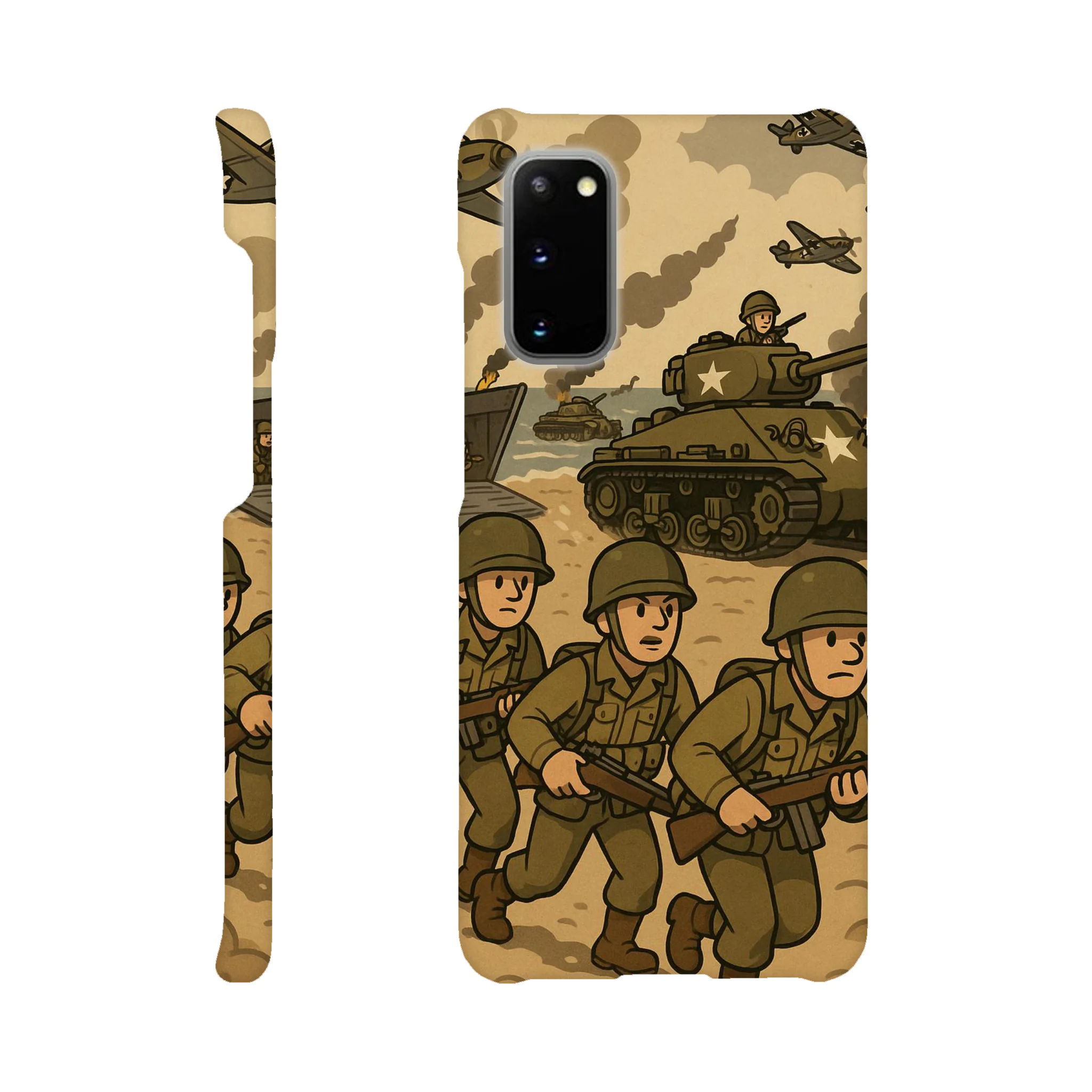
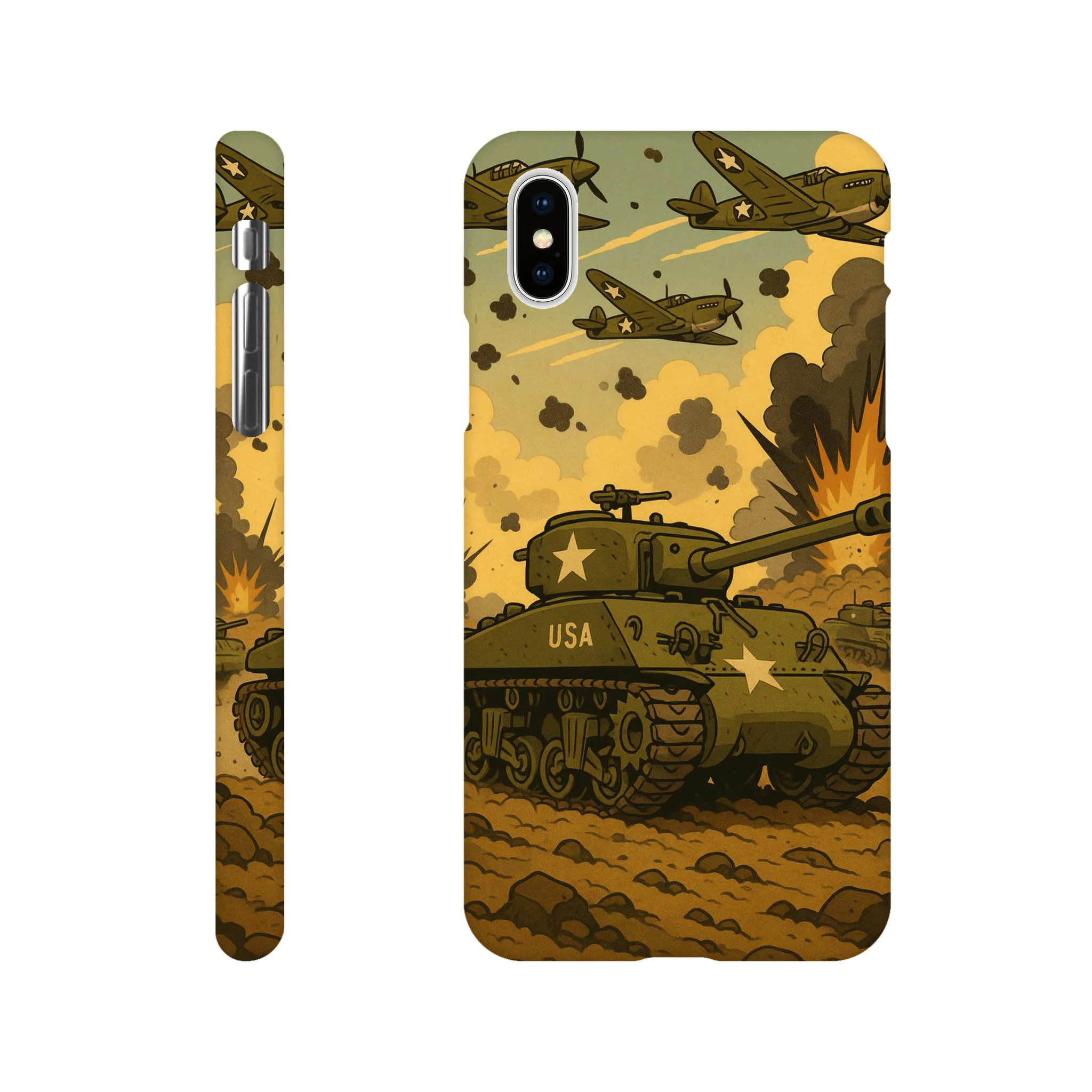
Furthermore, OWMShop features phone cases that highlight memorable quotes from various propaganda campaigns. Each case serves as a daily reminder of the sentiments that defined a generation, merging functionality with meaningful design. These products allow individuals to carry a piece of history with them, blending practical use with a deeper emotional connection.
In addition to clothing and accessories, OWMShop offers wall art that depicts potent propaganda images, transforming spaces into galleries of historical significance. These pieces are designed to provoke thought and inspire viewers by presenting vivid reminders of the power of visual communication. By integrating these historical motifs into their contemporary offerings, OWMShop successfully invites customers to reflect on the lasting legacy of World War II propaganda in modern society.
Design Inspiration
The legacy of World War II propaganda has significantly influenced modern design, particularly in commercial contexts such as OWMShop. This influence is manifested through various design elements that evoke the bold spirit of the era. At OWMShop, design inspiration is drawn from the distinctive aesthetics of wartime propaganda, characterized by striking typography, vibrant colors, and compelling imagery. These elements not only serve as a nod to history but also create a visually captivating experience for contemporary consumers.
Bold colors play a pivotal role in establishing a visual identity that is both engaging and assertive. The palette often encompasses primary colors such as red, blue, and yellow, reminiscent of posters that aimed to capture attention and convey urgency during the war. By incorporating these vibrant hues, OWMShop captures the essence of retro design while appealing to a modern audience who appreciates the emotional weight behind color psychology.
Typography is another essential component that reflects the influence of WWII propaganda. The use of strong, sans-serif fonts in OWMShop designs echoes the clarity and decisiveness of wartime messages. The typography aims not only to inform but also to provoke an emotional response, encouraging engagement with the products. This thoughtful use of type aligns well with modern design principles while remaining faithful to its historical roots.
Powerful imagery, often depicting themes of resilience and unity, is skillfully integrated into OWMShop’s offerings. Each piece is curated to evoke specific sentiments that resonate with consumers today, creating a bridge between the past and present. By marrying these design elements with historical authenticity, OWMShop delivers products that not only celebrate wartime heritage but also captivate the eye and inspire the heart.
Iconic Propaganda Imagery
World War II propaganda imagery remains an influential force in the realm of visual communication, standing as a testament to the power of art in shaping public perception and morale. Among the most iconic examples is the “We Can Do It!” poster featuring Rosie the Riveter, which symbolizes women’s contributions to the war effort while also embodying themes of strength and empowerment. This image transcended its time, becoming a cultural icon representing not only wartime resilience but also the ongoing fight for gender equality.
Another notable example is the series of posters urging citizens to support war bonds. These posters often prominently feature patriotic symbols and dynamic designs that evoke emotions of duty and sacrifice. The bold use of color and typography in these images commands attention, effectively communicating the urgency of participation in the war effort. Such elements can be observed in OWMShop’s modern designs, where the use of bold graphics and evocative themes honors these historical roots while appealing to contemporary sensibilities.
Additionally, the “Loose Lips Sink Ships” campaign serves as a reminder of the importance of secrecy during wartime. The imagery associated with this message typically includes cautionary symbols that play on fears of espionage and its consequences. The blend of fear and responsibility conveyed through this propaganda has influenced modern design by encouraging the use of symbolism that speaks to the values of vigilance and community trust. OWMShop integrates these themes by incorporating subtle nods to historical imagery in their products, reinforcing the connection between past and present through thoughtful design.
In examining these iconic examples of WWII propaganda imagery, it becomes clear that the emotional resonance and visual language used continue to inspire modern design, offering both historical significance and a sense of purpose in today’s creative projects.
Cultural Significance
World War II propaganda emerged as a powerful tool not just for rallying support for the war, but also as a medium reflecting the prevailing societal values, beliefs, and struggles of the time. The visual language employed in this period of propaganda was an expression of collective identity and a means of influencing public sentiment. Through posters, films, and various forms of public messaging, governments harnessed the emotional power of art to mobilize citizens, vilify enemies, and reinforce nationalistic sentiments.
The cultural significance of this propaganda extends beyond its immediate political purpose. It served to mirror the societal ethos of the era, capturing the fears, aspirations, and resilience of the populace. The imagery and slogans crafted during this time revealed the hopes pinned on victory and the shared responsibility borne by citizens. For instance, iconic visual representations like “We Can Do It!” not only inspired productivity and effort on the home front but also advanced themes of female empowerment, marking a pivotal shift in gender roles within society.
In contemporary contexts, the impact of WWII propaganda can be observed in various facets of design and art. Artists and designers today often draw inspiration from this historical visual language, utilizing its bold colors, striking illustrations, and compelling narratives to evoke emotion and convey messages. The reinterpretation of these designs also prompts a reflection on current societal values and issues, reminding us that propaganda—while often maligned—serves as a potent reminder of how art can influence and inspire change. As modern design continues to utilize these motifs, it fosters a dialogue about the implications of propaganda in our lives today, highlighting the importance of intention behind visual communication.
Legacy of WWII Propaganda
The legacy of World War II propaganda is a multifaceted subject that continues to resonate in contemporary society. The visual and auditory messages disseminated during the war played a critical role in shaping public opinion, galvanizing support, and instilling a sense of national pride. Today, these historical propagandistic approaches have evolved, finding new expressions in various design forms. As modern designers and artists reflect on the stylistic elements and persuasive narratives of WWII propaganda, they contribute to a revival of themes that remain relevant in current sociopolitical contexts.
In examining the design principles rooted in WWII-era propaganda, one can see an enduring influence in modern advertising, political campaigns, and social movements. For instance, the bold typography, striking imagery, and emotionally charged slogans that characterized wartime messages have informed contemporary graphic design. Artists and designers often revisit these aesthetic qualities, utilizing them to communicate urgent messages within today’s cultural landscape.
This revival serves a dual purpose: it honors historical narratives while simultaneously engaging with contemporary issues such as climate change, social justice, and inclusivity. By drawing on the techniques that defined WWII propaganda, modern creators are able to evoke a sense of urgency and purpose, effectively capturing the audience’s attention. This speaks to how history can be interpreted and reinterpreted to address pressing matters today, emphasizing the importance of remembering and examining our past through creative mediums.
Thus, the legacy of WWII propaganda is not just a relic of history but a vibrant source of inspiration that continues to shape artistic and design practices today. As we reflect on its impact, it becomes increasingly clear that the dialogues initiated by these historical messages find new life in our current society, acting as a reminder of the power of design to influence thoughts and behaviors.
Explore Unique WWII-Inspired Products at OWMShop
As you delve into the captivating world of WWII-inspired design, OWMShop offers an extraordinary collection of products that encapsulate the essence of this tumultuous yet transformative era. Each item is meticulously crafted to reflect the historical and artistic significance of wartime propaganda, allowing consumers to connect with the past in a meaningful way. The designs are not just mementos; they serve as conversation starters, sparking curiosity and discussion about the impact of propaganda during World War II.
At OWMShop, you will find a diverse array of products ranging from home décor to apparel, each piece thoughtfully designed to resonate with the principles and aesthetics of WWII propaganda art. By incorporating these items into your personal collection or gifting them to friends and family, you are not merely acquiring objects but embracing a narrative that reflects resilience, creativity, and a unique artistic legacy. The products at OWMShop are a testament to how history continues to inform and inspire modern design.
Visiting OWMShop is more than just a shopping experience; it is a journey through time that celebrates the rich heritage of wartime artistry. The compelling designs invite an appreciation for the craft and cultural context behind each piece. As you browse through the collection, consider how these items can enhance your living space or wardrobe, while also paying homage to a significant chapter in history. Discover how modern design meets historical influence in a way that not only beautifies your surroundings but also instills a sense of belonging to a shared past. Embrace the opportunity to explore OWMShop’s unique offerings and make a connection that extends beyond the present day.
Conclusion
The influence of World War II propaganda extends far beyond the confines of the past, shaping contemporary visual communication in profound ways. As we reflect upon the striking imagery, powerful messages, and striking designs that implemented during that tumultuous era, it becomes evident that these elements hold significant relevance today. The principles of persuasion, clarity, and emotional resonance established through wartime posters and campaigns have not only set a benchmark for effective communication but continue to inspire modern design practices, exemplified by the offerings found at OWMShop.
OWMShop serves as a prominent bridge between the historical significance of World War II propaganda and its modern interpretations. By incorporating design elements that echo this iconic visual language, the products available at OWMShop allow contemporary audiences to engage with history in a meaningful way. This approach not only highlights the aesthetic qualities of wartime propaganda but also encourages a deeper appreciation for the context in which these designs operated. Such reflections enable a better understanding of the power that visual communication holds, not just in influencing public sentiment during a global conflict, but in shaping cultural narratives that endure over time.
Moreover, OWMShop’s commitment to marrying historical significance with modern artistry emphasizes the enduring legacy of WWII propaganda. The continued fascination with these iconic designs serves as a testament to their lasting impact – a reminder of the ability of visual communication to convey complex messages, evoke emotion, and spark conversations. As enthusiasts of design and history, it is imperative to recognize the inherent value found in such artifacts and their ability to inform, inspire, and connect us to our shared past, ultimately enriching our present-day perspectives on art and design.