Introduction
The visual and cultural landscape of modern fashion and design is often shaped by historical events, with World War II emerging as a significant catalyst for change. The bold imagery, symbols, and styles that characterized this tumultuous period have left an indelible mark on contemporary trends, creating an intriguing dialogue between past and present. From the strong military aesthetics to the use of utilitarian fabrics, the influences of WWII resonate in the collections of today’s designers and the choices of consumers.
As the world moves forward, influences from the war era can be seen in expressions of resilience and empowerment within modern fashion. Military uniforms have evolved into high-fashion collections, showcasing structured silhouettes and robust fabrics that pay homage to their origins while appealing to current sensibilities. Notably, the design philosophy that combines functionality with style endures, demonstrating the lasting impact of wartime necessity on today’s aesthetic preferences.
Furthermore, the symbols of this era, including the iconic poppy and other motifs, have transcended their historical origins, finding new life in graphic prints and accessories. These elements serve not only as a reminder of the past but also as a means of communicating the values of strength and solidarity that emerged in the wake of conflict. Contemporary designers often draw from these powerful symbols to evoke sentiments of nostalgia and resilience, creating a visual language that resonates with consumers.
In examining the dynamic interplay between World War II aesthetics and modern fashion and design, it becomes evident that history continues to inform our present choices. The enduring influence of this period serves as a testament to the way cultural narratives evolve, shaping the identities we express through fashion. This exploration will delve deeper into how these historical influences manifest in various facets of contemporary style, illustrating the symbiotic relationship between past events and modern creativity.
Historical Overview
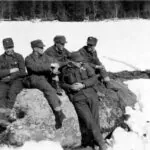
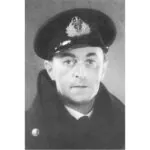
The design elements that emerged during World War II have left a lasting imprint on contemporary fashion and design, characterized predominantly by military-inspired cuts, camouflage patterns, and propaganda art. These elements originated from the urgent practicalities of wartime, where functionality often took precedence over aesthetics. Military attire, for instance, featured tailored silhouettes that not only facilitated movement but also instilled a sense of unity and identity among soldiers. The preferred materials like wool and cotton were selected for their durability and comfort in challenging conditions.
Camouflage patterns were born out of necessity; their original purpose was to conceal troops and equipment from enemy eyes. These elaborate designs were crafted to blend seamlessly into various environments, an innovation that underscored the strategic importance of visual deception during warfare. As the war progressed, these patterns infiltrated civilian life, influencing both fashion designers and everyday clothing—marking a significant crossover between utilitarian needs and style preferences.
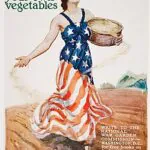
Furthermore, propaganda art played a crucial role in shaping public sentiment and morale. Artists were commissioned to create compelling visual messages that communicated the necessity of support for the war effort, serving both to inform and to inspire. These pieces often featured bold colors and striking typography, emphasizing clarity and emotional appeal. The iconic styles and graphics of this era not only aimed to rally support but also engraved a distinct visual language that resonated with the values and emotions of the times: resilience, patriotism, and collective sacrifice.
The narrative of WWII-era design, with its roots in functionality and emotional resonance, lays the groundwork for understanding how these powerful aesthetics continue to influence modern trends. Their legacy carries forth, transcending their original purposes to form a vital component of contemporary fashion and design choices.
Military-Inspired Cuts
The origins of military-inspired cuts in clothing can be traced back to the necessity and functionality demanded during World War II. Uniforms were meticulously designed to withstand the rigors of combat while ensuring the maximum efficiency of movement. Fabrics were chosen for their durability, and cuts aimed at providing ease and comfort were paramount. As soldiers represented strength and resilience, the designs naturally evolved into symbols of authority and masculinity, influencing civilian fashion significantly.
In the post-war era, the transition from utilitarian wear to fashionable clothing began to take shape. Tailored military jackets, for instance, became highly sought after, signaling a shift where function met style. The trench coat, initially designed for British soldiers during the war, exemplifies this transition. It has since been reinterpreted in various styles and materials, emerging as a staple in contemporary wardrobes. Such pieces reflect an admiration for history while also adapting to modern aesthetics, demonstrating the versatility of military-inspired designs.
Modern fashion houses have recognized the potential of these military cuts, taking inspiration from classic silhouettes while incorporating contemporary elements. Designers frequently integrate structured shoulders, epaulets, and clean lines reminiscent of wartime attire but infuse them with a chic, sophisticated appeal. The versatility of military-inspired fashion allows for it to transcend seasonal trends; items like bomber jackets or olive-green cargo pants enhance both casual and formal outfits. The blend of style and heritage resonates deeply within fashion today, showcasing an ongoing dialogue between the past and present. Thus, military-inspired cuts not only serve as a nod to history but also establish a unique place in modern fashion, embodying both practicality and elegance.
Camouflage Patterns
Camouflage, originally developed for military use to provide concealment in battlefield settings, has undergone a remarkable transformation into a prominent design element within contemporary fashion and home decor. The shift from utilitarian purpose to aesthetic appeal can be traced back to the post-World War II era, when various cultural movements began to embrace iconic aspects of wartime aesthetics as symbols of rebellion and individuality. This transition highlights the versatility of camouflage patterns, which have adapted to suit diverse contexts beyond their initial function.
In modern fashion, camouflage manifests in various forms, from clothing lines featuring military-style prints to high-fashion collections where designers reinterpret traditional patterns. The appeal of camouflage lies not only in its visual complexity but also in its cultural connotations. For many, donning camouflage garments symbolizes a rejection of conformity, serving as a statement of personal identity while simultaneously reflecting the wearer’s awareness of historical narratives. The adoption of camouflage by non-military personnel has further solidified its place in popular culture, positioning it as a motif associated with enablement and uniqueness.
Beyond apparel, camouflage also finds its way into home decor, allowing individuals to incorporate a sense of ruggedness and authenticity into their living spaces. From throw pillows adorned with camo patterns to wall art that celebrates the aesthetic, this design choice fosters a connection to nature and the outdoors while retaining its allure as an edgy statement. By appealing to psychological traits such as a thirst for adventure and an affinity for uniqueness, camouflage continues to resonate with modern audiences. The enduring influence of camouflage patterns in various design mediums underscores its evolution from battleground necessities to a celebrated symbol of versatility and personal expression.
Propaganda Art
World War II was marked by a significant proliferation of propaganda art, a critical tool utilized by governments to influence public perception and mobilize citizen support for the war effort. This form of art encompassed posters, prints, and various visual media that conveyed compelling messages aimed at encouraging enlistment, conserving resources, and fostering a sense of unity among the populace. The bold aesthetics of these artworks, characterized by striking colors and dramatic imagery, played a vital role in shaping societal attitudes during this tumultuous period.
The design principles rooted in WWII propaganda art have left a lasting impact on modern graphic design. Contemporary artists and designers have drawn inspiration from the visual language of this era, reinterpreting its themes and motifs to address current sociopolitical issues. For example, the iconic images used in wartime propaganda—such as the empowered figure of a woman or the call to action represented by powerful symbols—are frequently reimagined in today’s context. In an age where social awareness is paramount, these historical references act as a means of drawing attention to causes like environmental sustainability and human rights.
The cultural significance of WWII propaganda extends beyond its immediate context. The resilience embedded in these artworks resonates with contemporary audiences, allowing for a form of visual storytelling that transcends historical boundaries. Modern fashion designers have also incorporated similar aesthetics into their collections, emphasizing themes of strength and societal responsibility. By integrating elements of propaganda art into their work, they aim to inspire action and provoke thought in a way that aligns with the original intent of these art forms.
In summary, the enduring influence of WWII propaganda art is evident in contemporary graphic design, where its visual language and core messages continue to inspire artists and designers alike. The legacy of this wartime aesthetic serves as a reminder of the power of visual communication in advocating for social change and resilience.
Modern Interpretations
In recent years, numerous contemporary brands and designers have found inspiration in the aesthetics of World War II, integrating elements from this pivotal period into their collections. This reinterpretation of historical design is evident across various sectors, including fashion, home decor, and accessories, appealing to consumers who appreciate the seamless blend of tradition with modernity. One prominent example is the luxury label, Prada, which has incorporated military-inspired silhouettes and utilitarian fabrics in its runway shows, showcasing how historical references can invigorate contemporary fashion.
Another revolutionary brand is Ralph Lauren, known for its classic American style. The label has drawn heavily from wartime aesthetics, utilizing vintage-inspired patterns, structured tailoring, and earthy color palettes reminiscent of the 1940s. These choices resonate with consumers seeking nostalgic comfort while embracing the functionality and durability that characterized wartime clothing.
On a more playful note, brands like Comme des Garçons have introduced avant-garde interpretations, employing camouflage patterns and utilitarian details that celebrate wartime uniforms in a fashion-forward context. This approach refreshes traditional military motifs, making them accessible and relevant for modern audiences. Accessories also reflect this trend, with companies like Mulberry creating bags featuring structured shapes and hardware reminiscent of military gear.
Moreover, the influence extends to home decor, where brands are adopting wartime-inspired designs in furniture and textiles. Companies are reimagining traditional military storage solutions and integrating materials such as canvas and leather that echo the era’s practical aesthetic.
Overall, contemporary reinterpretations of World War II aesthetics are evident throughout the fashion and design landscape, as brands artfully combine historical significance with modern execution. This ongoing trend allows consumers to connect with the past while embracing innovative and stylish expressions of contemporary life.
Cultural Resonance
The aesthetics of World War II have found a resounding echo in contemporary fashion and design, engaging modern audiences in a multifaceted dialogue about nostalgia, identity, and the human experience. As societal changes unfold, the vestiges of the wartime era beckon us to reflect on historical contexts that shaped individual and collective identities. This resonance has grown particularly prominent as designers and artists leverage the striking visuals and emotive power of WWII-era styles to connect with audiences on a deeper level.
Nostalgia plays a pivotal role in the allure of WWII aesthetics. The tumultuous backdrop of the war birthed a fashion revolution characterized by practicality, resilience, and innovation. Modern designers frequently revisit these elements, using them as a canvas to evoke feelings of longing for simpler times or an idealized past. For some, these references act as a counterpoint to the fast-paced, fleeting nature of current trends, promoting a sense of stability and continuity. By integrating styles such as utilitarian cuts, bold patterns, and heritage colors, contemporary fashion encapsulates the essence of wartime determination and adaptability.
Moreover, the significance of identity cannot be overstated when examining the resurgence of WWII aesthetics. As individuals navigate complex identities in a rapidly evolving world, the motifs from this historical period offer a means for personal expression and cultural connection. Fashion and design allow individuals to engage with historical narratives, forging links across generations. Designers often utilize these aesthetics to spark dialogue around themes such as resilience and unity, reminding us that even amidst adversity, creativity endures.
In this way, the continued popularity of WWII aesthetics in modern fashion and design serves not only as a tribute to a tumultuous period of history but also as a means of fostering intergenerational connections and shared experiences.
Explore Historical Inspiration with OWMShop
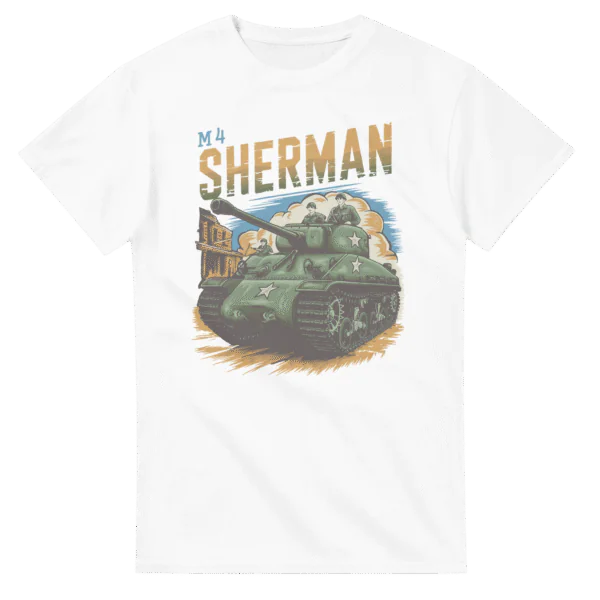
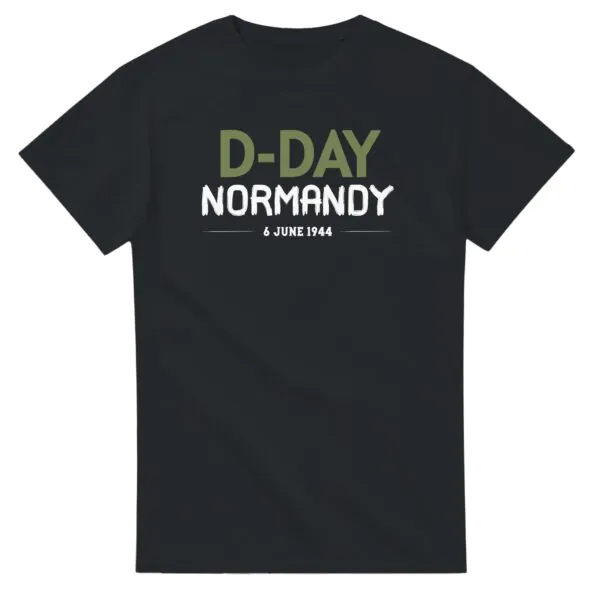
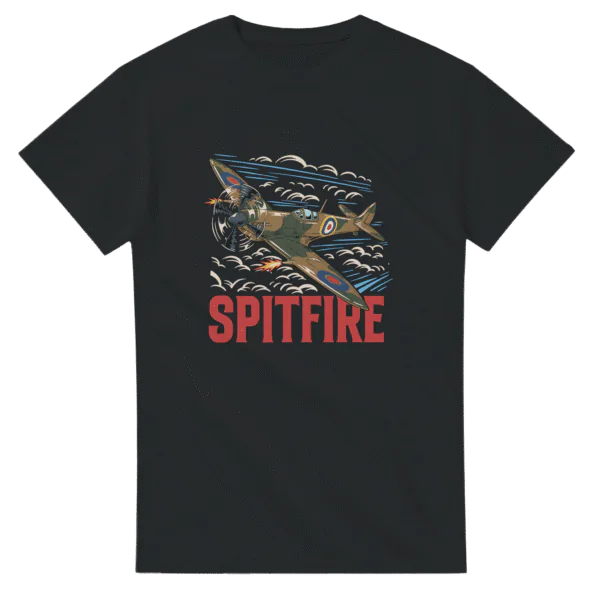
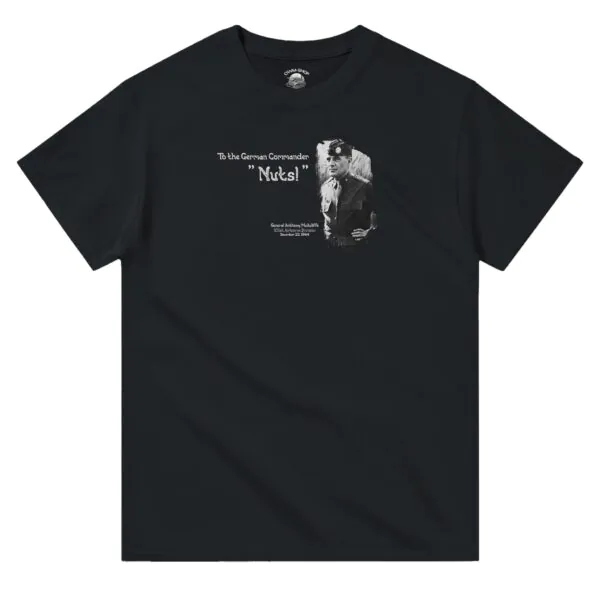
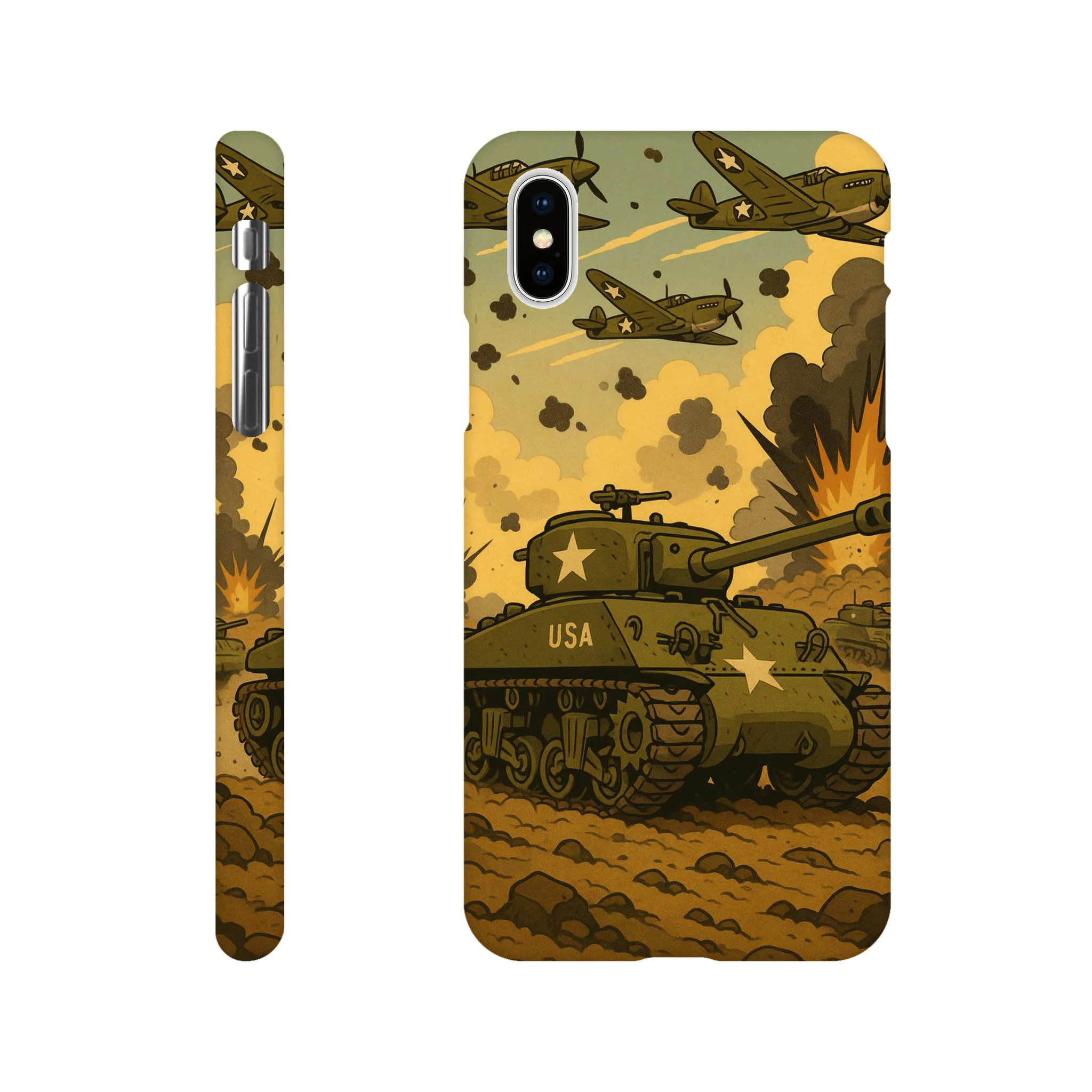
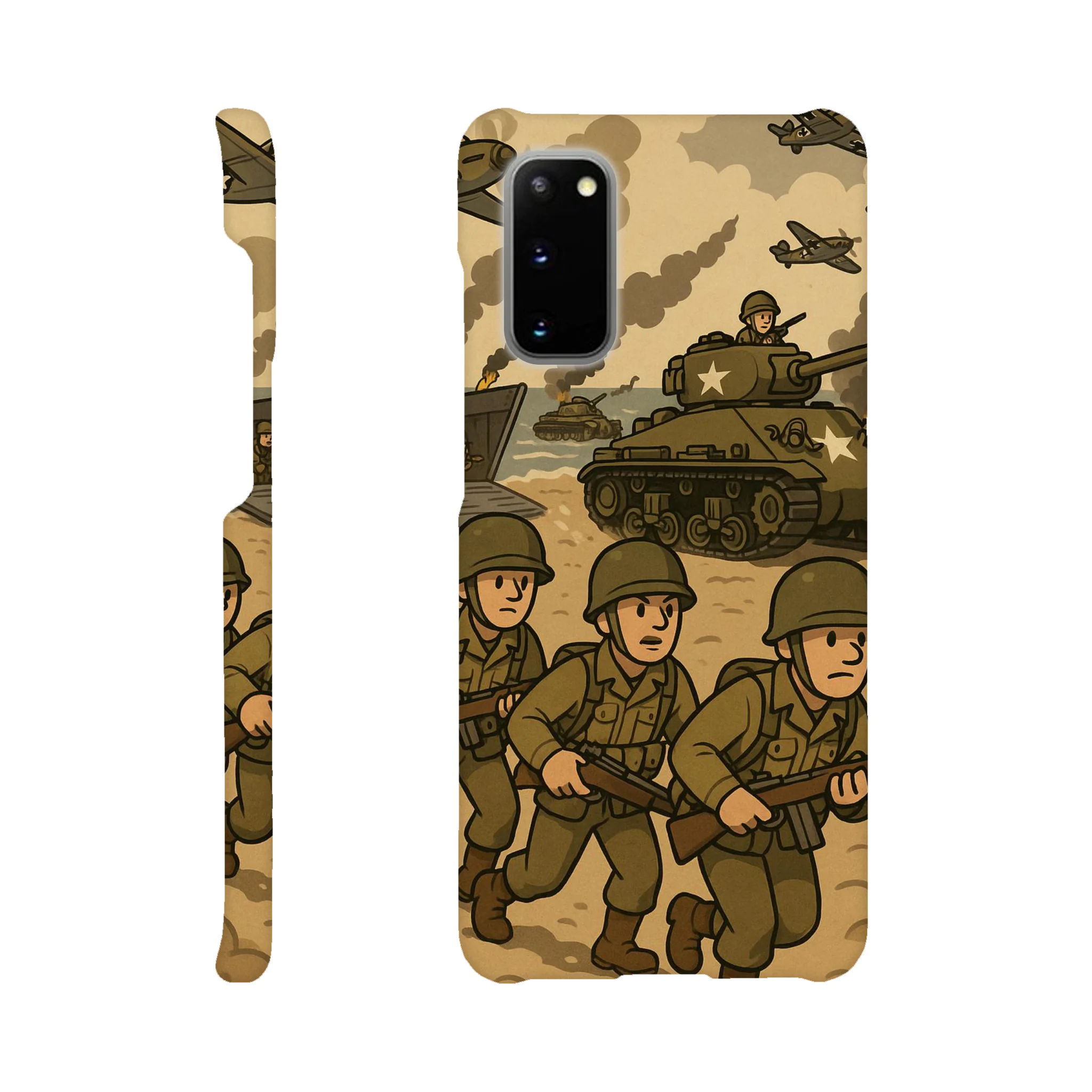
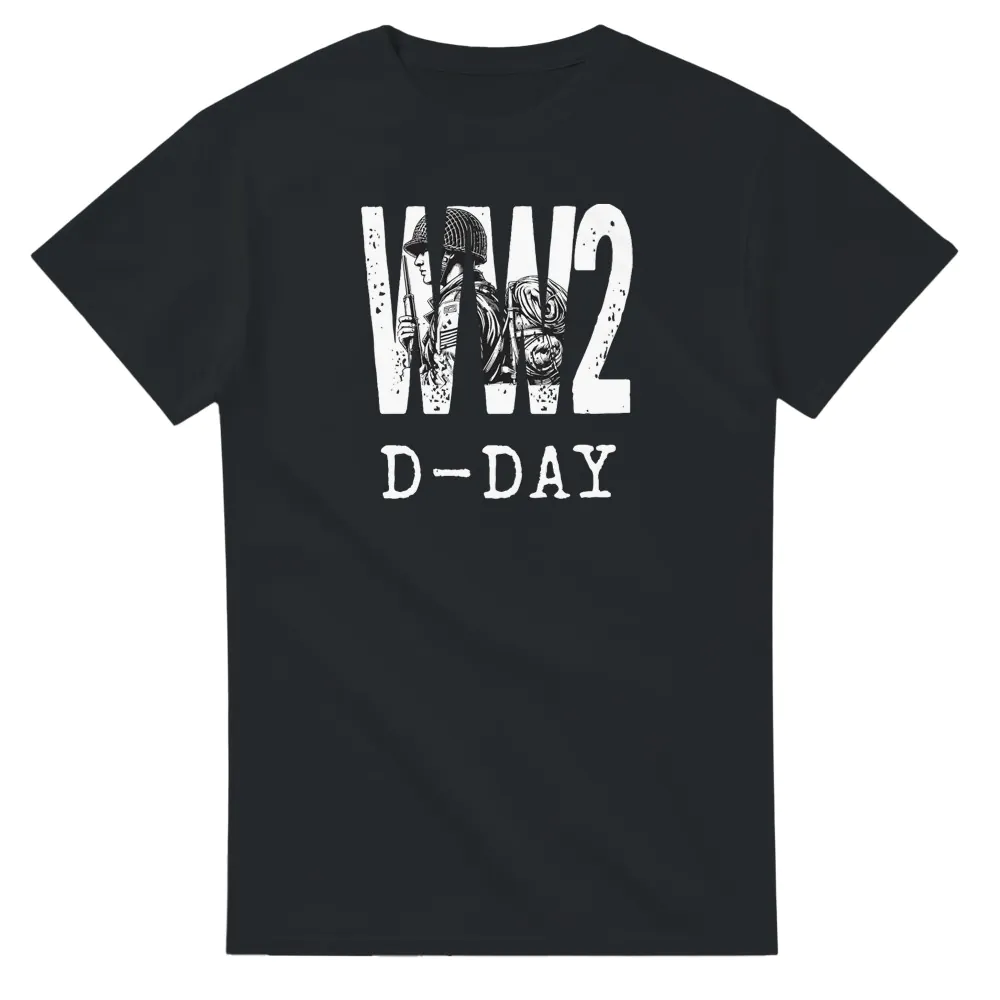
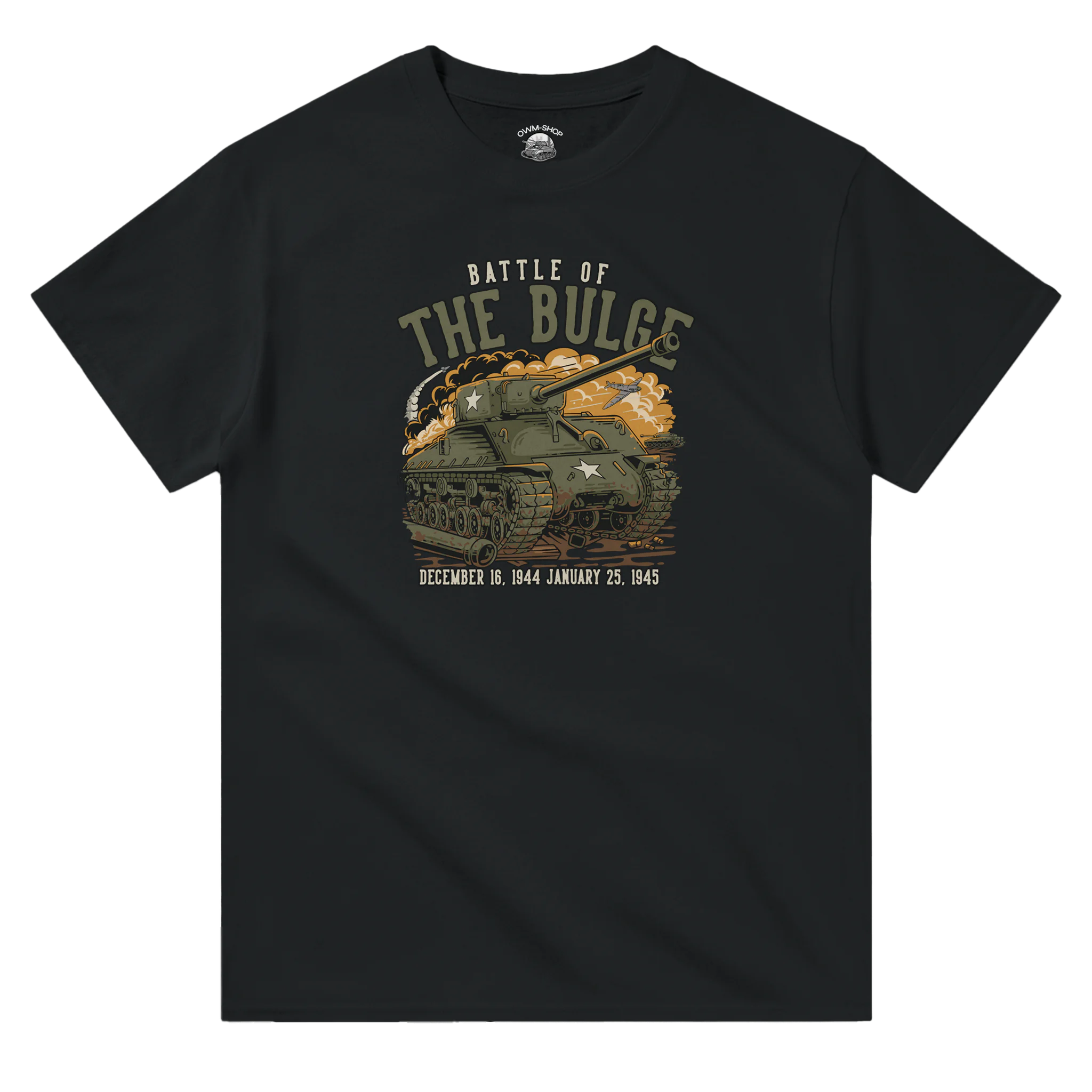
The intersection of history and modern design offers a unique opportunity to express individuality while honoring the past. By embracing pieces that reflect the aesthetics of World War II, individuals can not only enhance their wardrobe but also engage with significant historical narratives. OWMShop showcases a curated selection of products that meld historical inspiration with contemporary trends, allowing customers to own apparel and accessories that resonate on multiple levels.
Every item in OWMShop’s collection serves as a conversation starter, providing wearers an opportunity to share stories related to the historical influences that shaped the designs. This linkage between fashion and history creates an enriching experience, where each piece becomes more than just an aesthetic choice; it transforms into a wearable testament to the past. From clothing that echoes the utilitarian designs of wartime to accessories that incorporate vintage elements, shoppers at OWMShop can find items that not only enhance their style but also connect them to a pivotal era in history.
As you explore the offerings at OWMShop, consider how each carefully curated item can signify more than mere fashion—each piece tells a story of resilience, innovation, and transformation. The enduring influence of WWII aesthetics continues to pulsate through today’s trends, making it possible for you to wear history. Inviting historical narratives into your daily attire not only fosters personal expression but also cultivates an appreciation for the struggles and triumphs that have shaped modern design.
We encourage you to delve into the OWMShop collection where you can find unique fashion statements that reflect both your style and a deep-rooted connection to history. Discover pieces that appeal to your aesthetic sensibilities while celebrating a rich heritage.
Conclusion
The influence of World War II aesthetics on modern fashion and design is profound and multifaceted. Throughout this blog post, we have explored how the pragmatism born out of necessity during the war has echoed through contemporary styles, leading to a blend of functionality and elegance. From utilitarian designs to the resurgence of bold colors and prints reminiscent of wartime propaganda, the aesthetics of this era continue to inspire today’s designers. These trends have not only shaped the clothing we wear but have also permeated various elements of design, making their way into architecture and interior design choices.
Additionally, the incorporation of military influences can be seen as a reflection of the resilience and adaptability inherent in both fashion and societal progress. Modern clothing often draws upon the silhouettes and details from the past, marrying them with current trends to create unique, timeless pieces. This interplay between historical reference and contemporary innovation speaks to the enduring legacy that World War II aesthetics has on our daily lives. It challenges us to consider how we interpret the past and utilize it in designing a future that honors our history while embracing modernity.
As we ponder the powerful connections between history and the present, it becomes evident that our choices in fashion and design can be rich with meaning and context. The characteristics reflected in World War II aesthetics offer a compelling narrative that encourages us to incorporate elements from this significant period into our personal style. In reflecting on how these influences manifest in our lives, we gain insight into how history’s impact sustains its relevance, prompting us to appreciate the underlying stories that accompany our choices in today’s fashion and design landscapes.